DESIGNING OUT MICROPLASTICS IN AN AD PROCESS
Why Plastic Removal in Food Waste Must Be Part of a Holistic AD Strategy
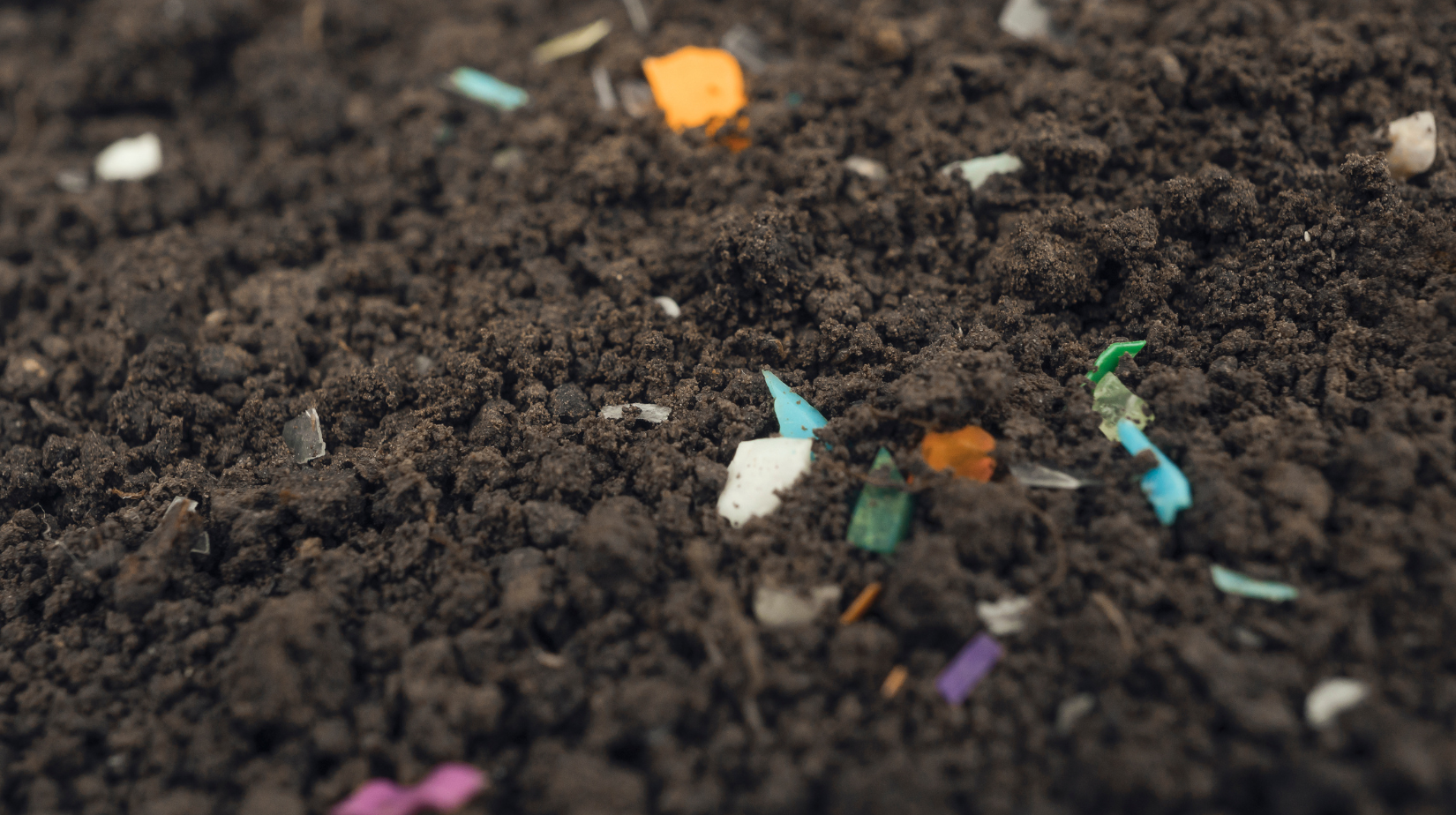
Microplastics don’t appear in an anaerobic digestion (AD) system by accident, they are created through the very processes meant to remove them. When food waste is destined for AD, the industry often focuses narrowly on depackaging as the place where plastics must be eliminated. But isolating one step in the chain leads to unintended consequences: more processing, more dilution, more microplastics, and ultimately more cost.
A better approach starts with understanding the entire journey of the material, from the moment packaged organics arrive on site to the moment digestate is applied to land. At Fitec, this whole‑process perspective is the foundation of our technology design.
Understanding the Waste Stream Before You Touch It
Every load of organic waste has its own mix of packaging, contaminants, and physical characteristics. The instinct is often to “beat it up” to free the organics, but the harder you process it, the more you fragment plastics into smaller and smaller particles.
When operators understand how their machinery interacts with the material, they can design and operate around the problem instead of amplifying it. Gentle handling and controlled size reduction preserve the integrity of contaminants, making them easier to remove later.
Why Depackaging Cannot Be Treated as a Silo
Depackaging is only one stage in a long sequence of processes. Yet many facilities treat it as the place where the feedstock must be made “perfect.” That mindset leads to over-processing: more water added to create density differences, machines run harder, and contaminants broken into tiny pieces.
This approach creates a cascade of challenges:
Smaller plastic particles that are harder to capture
A diluted feedstock with relatively lower energy content
Higher transportation and pumping costs
Larger downstream infrastructure to handle unnecessary volume
And even after all that effort, significant quantities of plastics still make it through.
Pre‑treatment will never be perfect and trying to force perfection at the front-end often makes the overall system less efficient.
The Alternative: Let the System Work as a System
A more effective strategy is to accept that some residual plastics will remain after depackaging and to design the downstream processes to handle them intelligently.
This is where the Fitec solution stands apart.
The Fitec Self‑Cleaning Digester is engineered to work in harmony with upstream depackaging, not in isolation.
It can process feedstock with total solids up to 25%, eliminating the need for excessive dilution.
During digestion, the feedstocks naturally breaks down, reducing total solids without added process water.
After biogas extraction, when the organics have been fully converted, the remaining plastics can be screened out of the digestate efficiently.
By removing plastics at the end rather than the beginning, the system captures all available organic material and maximizes methane production. It also prevents plastics from reaching soils, closing the loop responsibly.
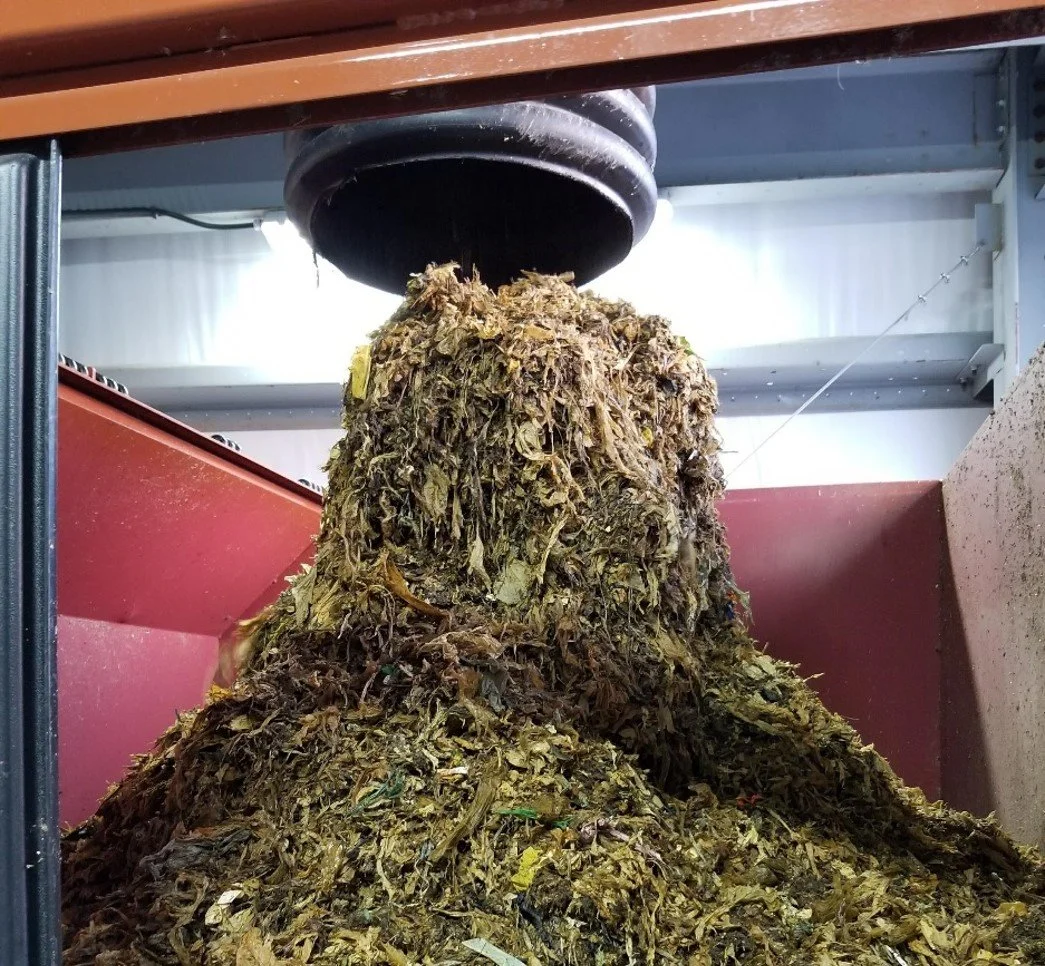
Residual plastics removed from digestate by a Fitec Self-Cleaning Digester
Why a Holistic Design Matters
When each stage of the process is designed to complement the others, the system becomes more efficient and more resilient. When it isn’t, operators are forced into a negative feedback loop: more aggressive pre‑treatment, more microplastics, more water, more capital cost, and still no perfect outcome.
The Fitec system avoids this trap because it was conceived as a complete process—from depackaging to digestion to land application. Every component supports the next.
Call to Action
If you’re evaluating depackaging or AD technology, the real question isn’t “How clean is the feedstock at the front end?” It’s “How well does the entire system work together to protect energy yield, reduce microplastics, and simplify operations?”
To explore how a holistic approach can transform your facility’s performance, connect with the Fitec team. We’d be happy to walk through your waste streams, your goals, and how our integrated solution can help you get more value from every tonne of organics.